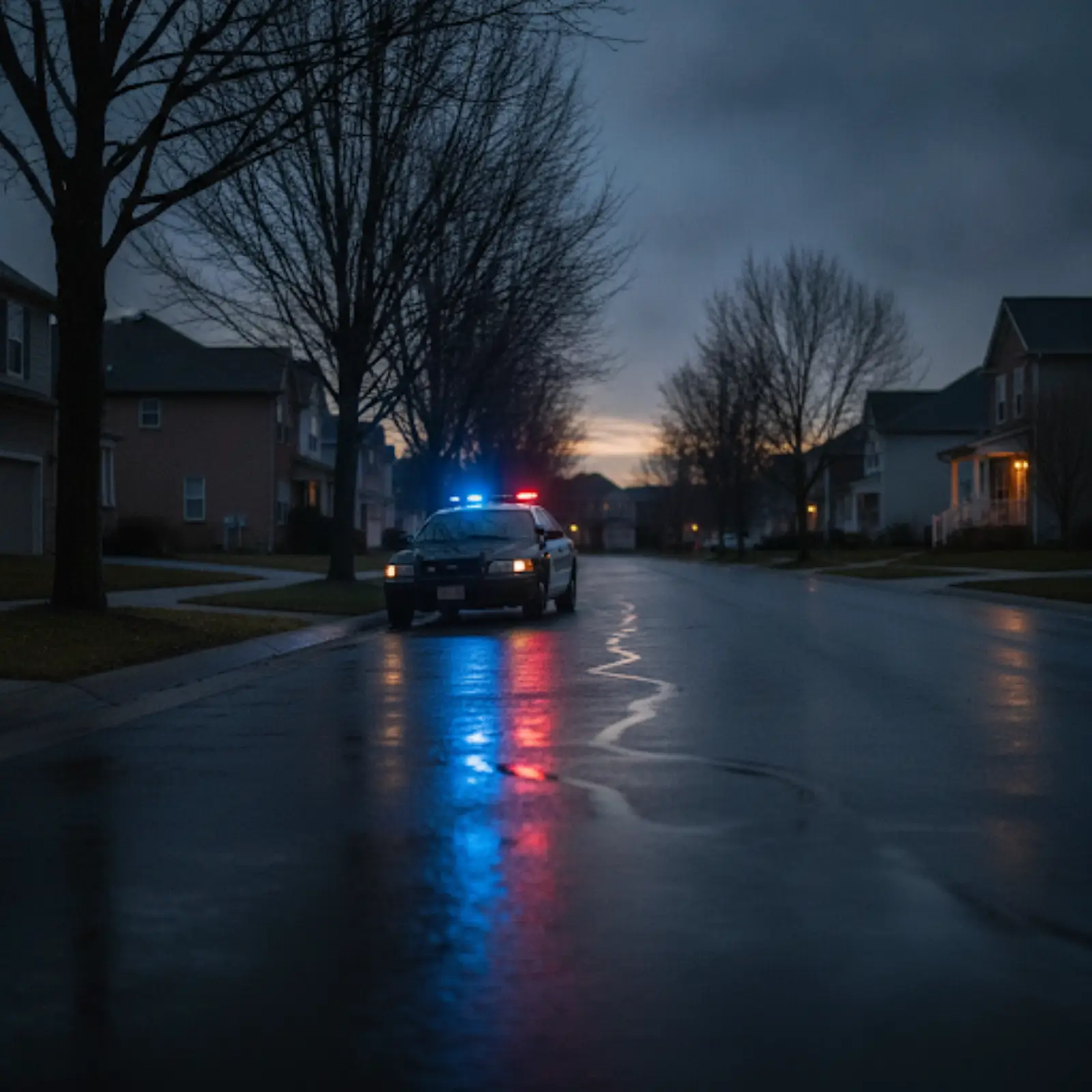

Being hit on foot differs from a car crash in two critical ways: you have no protection, and insurers know pedestrian claims carry high value. Your attorney’s job is to act quickly—preserving video and scene evidence before it disappears—and to force the carrier to value the case properly by proving fault under Colorado traffic statutes.
When you are ready to talk through liability and your damages, start with our Colorado Springs personal injury lawyers. At Boesen Law, we lead the case end-to-end: investigation, medical proof, expert work-up, negotiation, and trial preparation. That disciplined approach is how our firm has recovered millions for injured clients throughout Colorado.
Reach out to our law firm for a no-cost, no-obligation consultation today. Call our personal injury lawyers in the state of Colorado at (303) 999-9999 or contact us online.
How Your Attorney Can Help After a Pedestrian Accident
At Boesen Law, we don’t wait for the insurance company to set the terms. We take control of the investigation from day one, building a case that’s designed to withstand scrutiny at every stage—whether that’s in settlement negotiations or in front of a jury. We know what it takes to prove fault, establish causation, and quantify damages in a way that forces carriers to take your claim seriously.
Here’s how your pedestrian accident attorney will build that foundation:
- Documenting the scene: Collecting CAD logs, body-camera video, and storefront footage before deletion deadlines.
- Citing the right statutes: For example, your attorney can cite C.R.S. § 42-4-802 to show how right-of-way violations occurred and tie that to your exact movement through the crosswalk.
- Establishing medical causation: Linking imaging, emergency notes, and long-term symptom documentation to the collision timeline.
- Identifying coverage: Evaluating the driver’s policy, your uninsured/underinsured coverage, and any commercial or rideshare policies involved.
- Quantifying damages: Coordinating expert reports to calculate all the types of damages you can claim in a personal injury lawsuit.
In pedestrian accident cases, technical analysis is often the difference between partial fault and full compensation. For instance, when police reports mention “dark clothing” or “limited visibility,” we challenge those narratives with light-distance data, headlight reach, and speed calculations to show the driver still had time to see and avoid the collision.
Legal Background and Colorado Statutes
Pedestrian protection in Colorado is anchored in specific traffic and governmental laws that your attorney uses to establish liability. Some key rules include:
- Right of way in crosswalks: Drivers must yield to pedestrians in both marked and unmarked crossings under C.R.S. § 42-4-802.
- Signal obedience: Pedestrians and motorists have reciprocal duties of following traffic signals.
- Governmental claims: If a city or state agency contributed through unsafe signals or road design, a written notice must be filed within 180 days under C.R.S. § 24-10-109.
- Time limits on personal injury cases: Most pedestrian injury suits follow Colorado’s two-year statute of limitations, extended to three years when a motor vehicle is involved.
Together, these laws form the backbone of pedestrian claims and influence how your attorney drafts the demand package, calculates damages, and preserves your rights against both private and public defendants.
Common Challenges Pedestrian Victims Face
According to a Colorado Department of Transportation (CDOT) 2024 report, more than 70% of pedestrian fatalities statewide occurred in dark or low-light conditions. Insurers often point to low visibility to downplay driver responsibility, but the real causes can also involve driver inattention or speed. Your attorney can address these challenges, including:
- Nighttime crashes: We analyze light levels, approach speed, and signal timing to demonstrate that visibility was sufficient for avoidance.
- “Darting” allegations: Mapping your position against the vehicle’s line of sight to disprove sudden movement claims.
- Comparative negligence: Using scene reconstruction and timing models to keep your assigned fault below the 50% bar that would reduce or eliminate recovery.
- Missing or deleted video: Sending preservation letters to nearby businesses and agencies before automatic deletion cycles erase crucial evidence.
Attorney Jon Boesen recommends: Don’t wait for the insurance company to tell you what your case is worth. Pedestrian claims involve complex liability, and carriers often rely on incomplete reports or superficial investigations to minimize payouts. An experienced attorney can review all evidence and ensure you receive fair compensation.
Proving Medical Injuries and Long-Term Impact
After a pedestrian accident, building the medical record from the first ER visit to long-term specialist evaluations will prevent insurers from minimizing your claim. Key medical proof includes:
- Objective diagnostics: CT and MRI imaging, orthopedic and neurologic assessments, and vestibular tests for balance or cognitive issues.
- Specialist correlation: We coordinate with neurologists, orthopedic surgeons, and rehabilitation physicians to connect physical limitations to the collision, not to age or preexisting conditions.
- Functional evaluations: Vocational and neuropsychological testing when a client cannot return to prior employment.
- Future care costs: Treatment projections from life-care planners and treating physicians that anticipate rehabilitation, pain management, and assistance needs.
Recoverable Compensation in Colorado Pedestrian Cases
After a pedestrian accident in Colorado Springs, your potential recovery may include:
- Medical treatment and rehabilitation: All emergency care, surgeries, physical therapy, medications, and assistive devices.
- Lost income and future earning capacity: We calculate wages lost during treatment and quantify the financial impact of permanent limitations.
- Pain, suffering, and emotional harm: Colorado law allows recovery for chronic pain, anxiety, and reduced enjoyment of life.
- Permanent impairment: When mobility, cognition, or independence is permanently affected, we document the lifelong costs and reduced quality of life.
- Out-of-pocket and support costs: Transportation, home modifications, and care assistance.
In one recent case, our firm secured a $390,000 settlement for a pedestrian who was struck by a car that ran a stop sign while crossing the street. By demonstrating that our client had the right-of-way and that the driver violated traffic control laws by failing to stop, Boesen Law overcame comparative negligence arguments and established full liability.
Next Steps After a Pedestrian Collision in Colorado Springs
Taking the right steps immediately after a crash strengthens your case from day one. Here’s what we recommend:
- Get a medical evaluation immediately: This applies even if you think injuries are minor, as delayed symptoms can weaken causation later.
- Preserve evidence: Keep your damaged clothing, shoes, and photos of the scene.
- Request reports: Obtain the police report number and contact information from witnesses.
- Do not provide a recorded statement: Insurance companies may use your words against you to minimize your claim, so it’s advisable to speak with your attorney first.
- Document recovery: Keep notes on your pain, limitations, and missed workdays. These records will become critical when calculating non-economic damages later.
Schedule a Free Consultation With a Colorado Springs Pedestrian Accident Attorney
A pedestrian accident in Colorado Springs doesn’t mean you have to navigate the legal and financial fallout alone. Boesen Law has recovered millions in verdicts and settlements for seriously injured clients across Colorado, including complex cases involving public entities and disputed fault.
During a free consultation, an attorney from our team will review your case, evaluate liability under Colorado’s pedestrian protection statutes, and explain what compensation may be available for your injuries. There’s no fee unless we recover compensation on your behalf.
Contact us today to schedule a free consultation and get started.
FAQs About Pedestrian Accidents in Colorado Springs
How long do I have to file a pedestrian injury claim in Colorado Springs?
Most personal injury claims must be filed within two years, but if a motor vehicle was involved, you generally have three years.
Can I recover compensation if I was partially at fault?
Yes. Colorado’s comparative negligence rule allows recovery as long as you’re less than 50% responsible. We commonly use reconstruction and witness analysis to minimize any fault percentage.
What if the driver was uninsured or fled the scene?
You may still recover under your own uninsured motorist coverage. Plus, your attorney will locate every potential insurance source to avoid gaps in recovery.
Do pedestrian crashes involving city or state property follow different rules?
Yes. Claims against public entities have a 180-day notice requirement under the Colorado Governmental Immunity Act. Your attorney will ensure those deadlines are met to preserve your rights.
Reach out to our law firm for a no-cost, no-obligation consultation today. Call our personal injury lawyers in the state of Colorado at (303) 999-9999 or contact us online.
Content Reviewed By

Car Accidents Articles