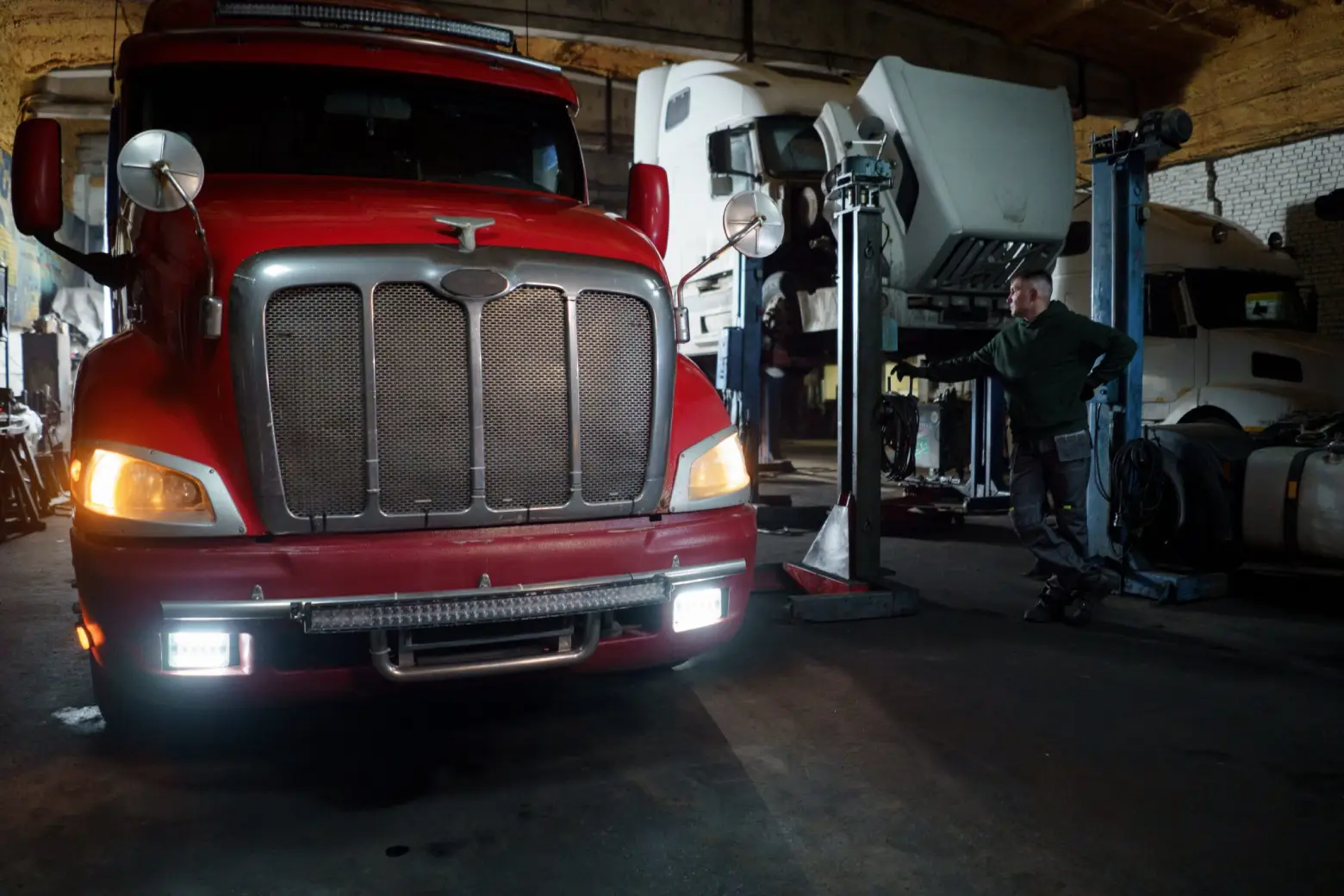

By the time you are discharged from the hospital after an 18-wheeler crash, the trucking company has usually had people working on the case for days. Carriers keep rapid-response teams on call for exactly this moment, and their job is to shape the record before you have even replaced your phone. Our Denver truck accident lawyers start from the other side of that race, because the company behind the truck already has a plan and the evidence is moving fast.
A tractor-trailer can weigh up to 80,000 pounds when loaded, and the injuries it causes are rarely the kind that heal on an insurance company’s schedule. These cases also involve federal safety rules, several possible defendants, and policies far larger than an ordinary auto claim. An 18-wheeler injury lawyer at Boesen Law handles every part of that for you, starting with a free, in-person consultation, and there is no attorney fee unless we recover compensation for you.
Reach out to our law firm for a no-cost, no-obligation consultation today. Call our personal injury lawyers in the state of Colorado at (303) 999-9999 or contact us online.
What Our Denver 18 Wheeler Accident Lawyers Do From Day One
The proof in a tractor-trailer case lives in places most people never think to look, and much of it can be legally discarded after a set period. Our first weeks on a file are built around locking it down.
- Send a spoliation letter to the carrier within days. This puts the company on notice to preserve the truck, the trailer, the driver’s records, and every electronic file connected to the trip, and it opens the door to court sanctions if anything later goes missing.
- Pull the electronic logging device and engine control module data. The ELD shows how long the driver had been on duty, and the engine module records speed, braking, and cruise control in the seconds before impact.
- Request the driver qualification file. Federal rules require carriers to keep records of the driver’s license, medical certification, road test, and prior employers, and gaps in that file often explain the crash.
- Inspect the tractor and trailer before they are repaired or sold. Brake adjustment, tire condition, and cargo securement can only be measured on the physical equipment.
- Identify every company in the chain. The motor carrier, the trailer owner, the shipper that loaded the cargo, the broker that arranged the load, and the maintenance shop can each carry separate coverage.
- Coordinate your medical care and document it from the start. We work with your treating physicians so the record reflects the full extent of a high-energy injury rather than the first emergency room note.
Many of these steps track the federal trucking regulations every interstate carrier must follow. Boesen Law has handled truck cases across the Front Range for decades, our experience is the difference that gets results when a carrier is moving fast, and we answer the phone 24 hours a day, 7 days a week.
How Liability Works After an 18-Wheeler Crash
Truck cases are rarely about one negligent driver alone. The law looks at the whole operation behind the truck, and that is where most of the recovery is found.
Federal Safety Rules Set the Standard
The Federal Motor Carrier Safety Administration sets hours-of-service limits for property-carrying drivers, including an 11-hour driving limit after 10 consecutive hours off duty, a 14-hour on-duty window, and a required 30-minute break after 8 cumulative hours of driving. When the ELD shows a driver ran past those limits, the violation is powerful evidence that fatigue caused the crash and that the carrier allowed it.
More Than One Company Can Be Responsible
A motor carrier is generally responsible for its driver’s conduct on the job, and Colorado also recognizes claims against companies that hire or keep unsafe drivers, skip maintenance, or overload a trailer. The way courts approach truck accident liability often brings two or three companies into a single case. Freight brokers have also come under closer scrutiny, and a recent U.S. Supreme Court ruling on freight broker claims affects how victims can pursue the companies that arrange loads.
Shared Fault Still Gets Argued
Trucking insurers routinely claim the car driver cut in front of the rig or braked suddenly. Colorado’s comparative fault rule reduces your recovery by your share of blame and bars recovery at 50 percent, so the carrier’s lawyers will push hard on this point. The answer is the data: the engine module, dashcam footage, and the driver’s own logs.
If you are not sure which of these applies to your crash, Boesen Law can sort it out with you in a free consultation.
Common Causes of 18 Wheeler Accidents in Denver
The crashes we see in Denver usually trace back to a handful of patterns, listed here roughly by how often they appear in our files.
- Driver fatigue. Long-haul drivers coming off the plains on I-70 or I-76 often arrive in Denver near the end of a long shift, which is when reaction time drops the most.
- Following too closely. A loaded 18-wheeler needs far more distance to stop than a car, and congestion at the I-25 and I-70 interchange known as the Mousetrap leaves little margin.
- Unsafe lane changes and blind spots. Large no-zones along the sides and rear of the trailer hide smaller vehicles, especially in the merges onto I-270.
- Speeding on grades and ramps. Drivers who take curves too fast on interchange ramps risk rollovers and lost loads.
- Poor maintenance. Worn brakes and bald tires are a leading factor in crashes where the truck simply could not stop.
- Improperly loaded cargo. A shifted or overweight load changes how the trailer handles and can cause a jackknife or rollover.
- Distraction and pressure to deliver. Dispatch messages, phones, and tight delivery windows push drivers to take risks, particularly on routes feeding Denver International Airport along Peña Boulevard.
Some of these crashes turn into jackknife accidents, which carry their own evidence questions. If any of these patterns sounds like your crash, Boesen Law can begin preserving the proof today.
Injuries Caused by 18 Wheeler Accidents in Denver
The size and weight difference between a tractor-trailer and a passenger vehicle means injuries are often severe and life-changing. The most common include:
- Traumatic brain injuries, from concussion to diffuse axonal injury, that can affect memory, mood, and the ability to work.
- Spinal cord injuries that cause partial or complete paralysis.
- Broken bones, including crushed pelvises, femur fractures, and compound fractures that require multiple surgeries.
- Internal bleeding and organ damage that may not be obvious at the scene.
- Amputations, either at the scene or as a result of crush injuries.
- Burns from fuel fires or hazardous cargo.
When a crash takes a life, the family may bring a wrongful death claim against every company responsible. Injuries at this level require early, careful documentation, and Boesen Law works with treating specialists and life care planners from the first weeks of the case.
Compensation Available After an 18 Wheeler Accident in Denver
Trucking companies typically carry far more insurance than a private driver, but the value of a claim still depends on proving each of the types of damages in detail. Here is how the main categories break down in a Colorado truck case.
- Economic damages. Emergency care, surgeries, hospital stays, rehabilitation, medication, and medical equipment. For catastrophic injuries this includes a life care plan that projects the cost of future surgeries, home and vehicle modifications, and attendant care. Lost wages and lost earning capacity are calculated with the help of vocational experts and economists.
- Non-economic damages. Pain, emotional distress, loss of enjoyment of life, and the strain on your family. Colorado caps these damages, with a higher limit available when serious physical impairment is proven by clear and convincing evidence.
- Punitive damages. Available in Colorado when a company or driver acted with willful and wanton disregard for safety, such as knowingly falsifying logs or keeping a driver with a history of violations behind the wheel.
- Property damage and loss of use. The cost of replacing your vehicle and the expense of getting around while you recover.
We fight for more than the basics in these cases, and the hundreds of millions of dollars Boesen Law has recovered for Colorado clients came from building every category with experts. Bring your file to us and we will walk through what your claim can reach.
Do You Have a Denver 18 Wheeler Accident Claim?
Jon C. Boesen, who founded Boesen Law and has spent three decades trying civil cases for injured Coloradans, notes:
“The truck cases I take most seriously fall into three groups. The first is where the driver’s own logs show he should not have been driving that night, because hours-of-service violations tell a jury the company knew and looked away. The second is where the equipment failed, brakes out of adjustment or a trailer loaded beyond its rating, because that puts the carrier and sometimes the shipper in the case. The third is where the injuries changed someone’s life for good: a spine, a brain, a limb. In each of those, the first two weeks decide how much evidence survives, and that is when we want to be involved.”
Tractor-trailer claims often have more than one source of payment. The carrier’s liability policy, a separate trailer interchange policy, the shipper’s coverage, and your own underinsured motorist coverage can all be part of the recovery when the injuries are serious.
What Cases Like Yours Have Recovered
Two results from our files show what careful work on a serious crash can produce:
- $4,100,000 for a client seriously injured in a Colorado truck accident.
- $1,025,000 for a client hurt in a four-car rear-end crash who had prior spinal injuries, showed signs of a concussion, and began therapy for depression and anxiety after the collision.
Our full case results show the range these claims can reach, and we are glad to talk through how your case compares.
Contact a Denver 18 Wheeler Accident Lawyer at Boesen Law
The carrier’s team has a head start, and every week that passes makes the electronic data and the physical evidence harder to recover. Boesen Law is a boutique firm with big results, and we listen carefully, fight relentlessly, and work for everything you are owed.
Contact Boesen Law for a free, in-person consultation. We are available around the clock, our team speaks English, Spanish, and Russian, and you pay no attorney fee unless we recover compensation for you. If your case needs to be filed, it will typically go to the Denver District Court, and we handle every part of that process.
FAQs About Denver 18 Wheeler Accidents
How can I find out a trucking company’s safety record?
Interstate carriers have a USDOT number painted on the cab, and the Federal Motor Carrier Safety Administration publishes safety data tied to that number, including inspections, out-of-service orders, and reported crashes. A poor record does not prove fault in your crash, but it can support claims that the company kept unsafe drivers or equipment on the road. We pull that history early in every case.
How is an 18-wheeler claim different from a car accident claim?
Truck claims involve federal safety regulations, electronic logs and engine data, and several companies that may share liability. The insurance policies are larger, which means the defense is better funded and more aggressive. The evidence also disappears faster, because carriers are only required to keep some records for limited periods. Those differences are why an 18-wheeler injury attorney should be on the file before the carrier’s own team finishes shaping the record.
Can you sue for pain and suffering after a truck accident in Colorado?
Yes. Pain and suffering, emotional distress, and loss of enjoyment of life are recoverable as non-economic damages in Colorado. They are subject to a statutory cap, with a higher limit when serious physical impairment is proven, and punitive damages may be available when a carrier’s conduct was willful and wanton.
What should I avoid saying to the trucking company’s insurer?
Avoid giving a recorded statement, guessing about speed or distances, or saying you are fine before a doctor has examined you. Anything you say can be used to argue shared fault or minimize your injuries. Let your lawyer handle all communication with the carrier and its insurer.
How long do I have to file an 18-wheeler accident lawsuit in Colorado?
Most motor vehicle injury claims in Colorado must be filed within three years of the crash, and wrongful death claims generally within two years. Those time limits on personal injury cases leave room on paper, but the key trucking evidence can be lost in weeks, so it is wise to act quickly.
Reach out to our law firm for a no-cost, no-obligation consultation today. Call our personal injury lawyers in the state of Colorado at (303) 999-9999 or contact us online.
Content Reviewed By

Truck Accidents Articles